Some windows are straightforward. Others require creativity, technical expertise, and a little problem-solving.
In Denver custom homes especially, we’re seeing more unique architecture than ever before: arched windows, two-story great rooms, expansive sliding doors, recessed pockets, vaulted ceilings, and oversized glass designed to maximize mountain views and natural light.
Beautiful? Absolutely. Simple to cover? Not always.
At Windows Dressed Up, challenging windows are some of our favorite projects because they’re where thoughtful design and expert planning matter most. Here are five of the most common challenging window situations we see in Denver homes and how custom window treatments solve them beautifully.
How Do You Cover Two-Story Windows and Window Walls?
Floor-to-ceiling glass creates incredible light and openness, but it also introduces challenges with privacy, glare, insulation, and operation.
In many Denver homes, particularly modern new builds and mountain properties, large expanses of glass are designed to frame the outdoors. Without the right window treatments, these spaces can quickly feel harsh or difficult to control throughout the day.
Motorized drapery and shades are often the best solution for two-story windows because they allow homeowners to manage light and privacy effortlessly. Layering those shades with custom drapery softens the scale of the room while adding warmth and acoustical comfort. In high-end Denver homes, motorization is no longer considered an upgrade. It’s becoming the standard.
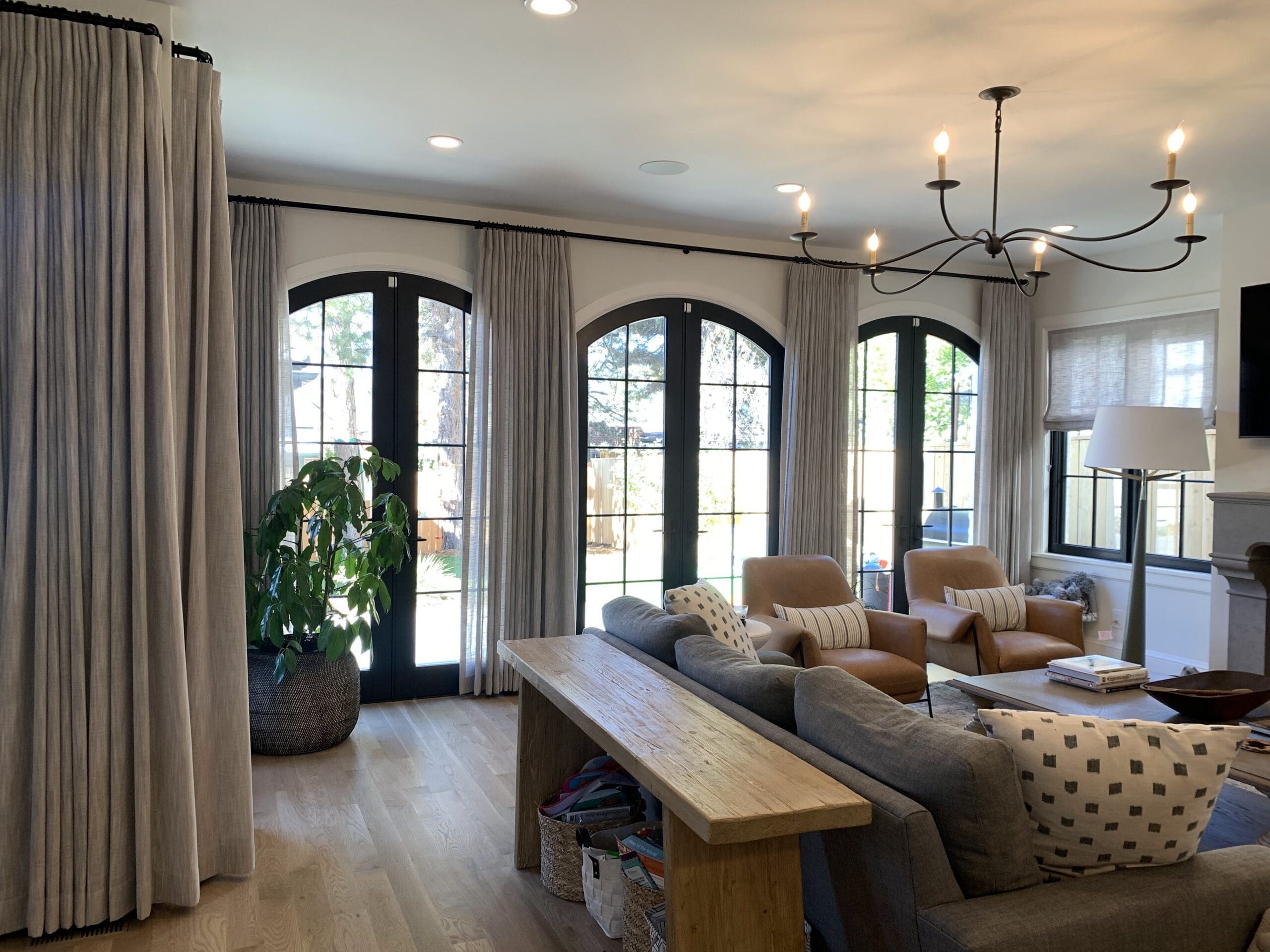
Floor-to-ceiling drapery panels bring warmth, scale, and sophistication to large patio doors while maintaining easy access to outdoor living spaces.
What Are the Best Window Treatments for Sliding Glass Doors and Multi-Panel Patio Doors?
One of the most common questions we hear is: what are the best window treatments for sliding glass doors?
The answer depends on how the space functions. Large patio doors need treatments that move easily, stack properly, and still feel intentional within the overall design. Today’s solutions go far beyond vertical blinds. Ripplefold drapery, traversing panels, woven shades, and motorized systems allow large openings to feel elegant and architectural rather than purely functional. This is especially important in Denver homes where outdoor living spaces are used year-round and patio access happens constantly.
How Do You Cover Arched Windows and Specialty Shapes Without Losing the Architecture?
Arched windows are beautiful architectural features, but they can be among the trickiest windows to cover properly.
Many homeowners want privacy and light control without losing the shape and character of the arch itself. Depending on the window, we may recommend specialty shades, stationary treatments, or custom-built solutions like palladium shelves that allow shades to mount cleanly within an arched opening. These are the types of details that aren’t obvious until installation day, which is why bringing in a window treatment specialist early in the design process matters.
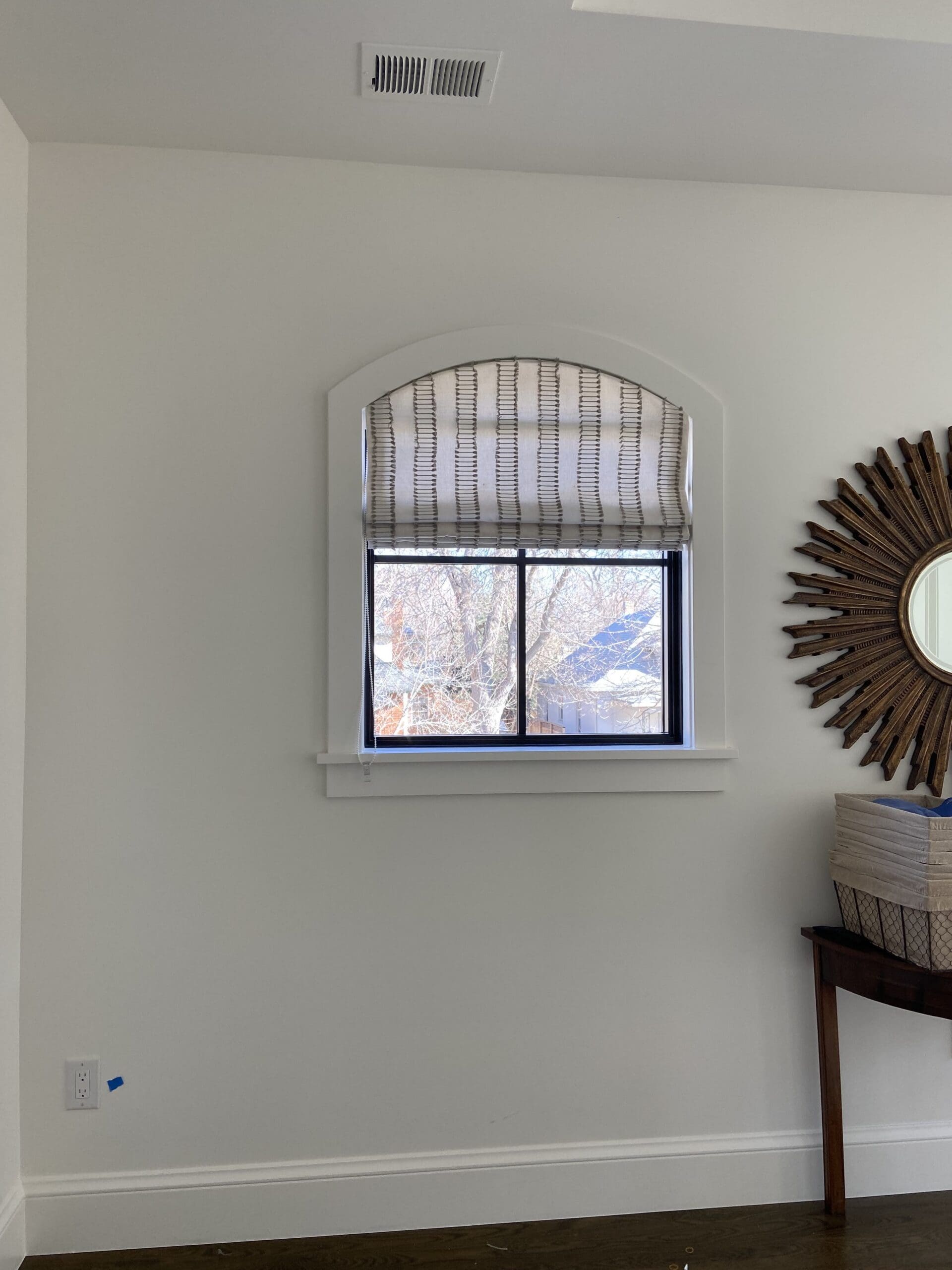
Specialty-shaped windows often require custom solutions. This motorized Roman shade delivers privacy and functionality without sacrificing the beauty of the arched architecture.
What Are the Best Window Treatments for Bay Windows and Angled Windows?
Bay windows create charm, dimension, and incredible natural light, but they also introduce difficult angles and spacing challenges. The wrong treatment can make a bay window feel bulky or disconnected from the rest of the room.
Roman shades are often a beautiful solution because they add softness without overwhelming the architecture. Layered drapery can further frame the space while improving insulation and privacy. In Denver homes, where clients are increasingly embracing warmer, more layered interiors, bay windows create an opportunity to introduce texture and pattern in a way that feels timeless.
What Are Recessed Window Pockets and How Are They Planned in New Construction?
One of the biggest trends in Denver luxury homes is recessed shade pockets planned directly into the architecture. These hidden pockets allow shades to disappear completely when raised, creating a clean and seamless look. But they require coordination early in the building process, often before drywall is complete.
We regularly collaborate with builders, architects, and interior designers to ensure pocket depths, wiring, trim allowances, and motorization specifications are all planned correctly from the beginning. Because once construction is complete, fixing those details becomes much more complicated.
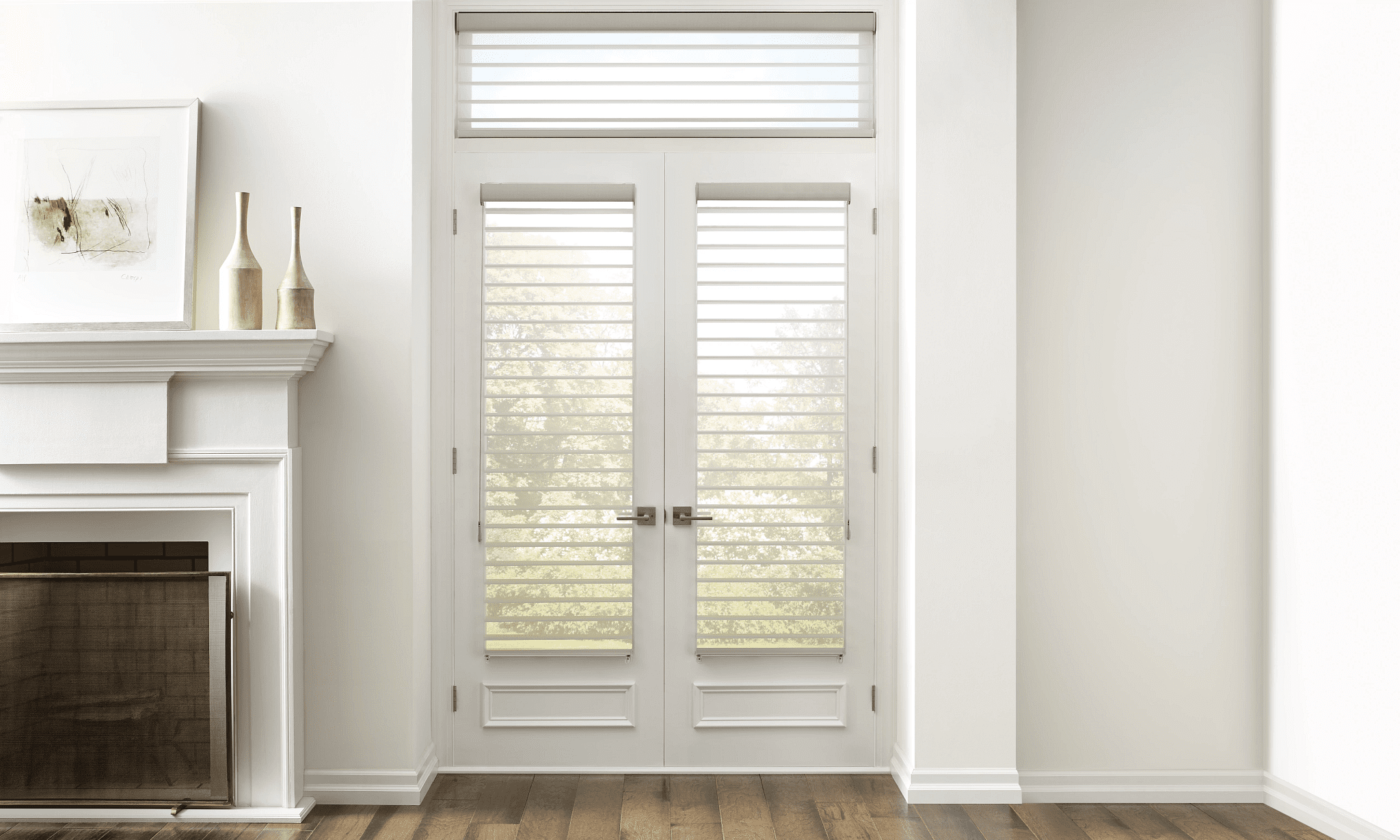
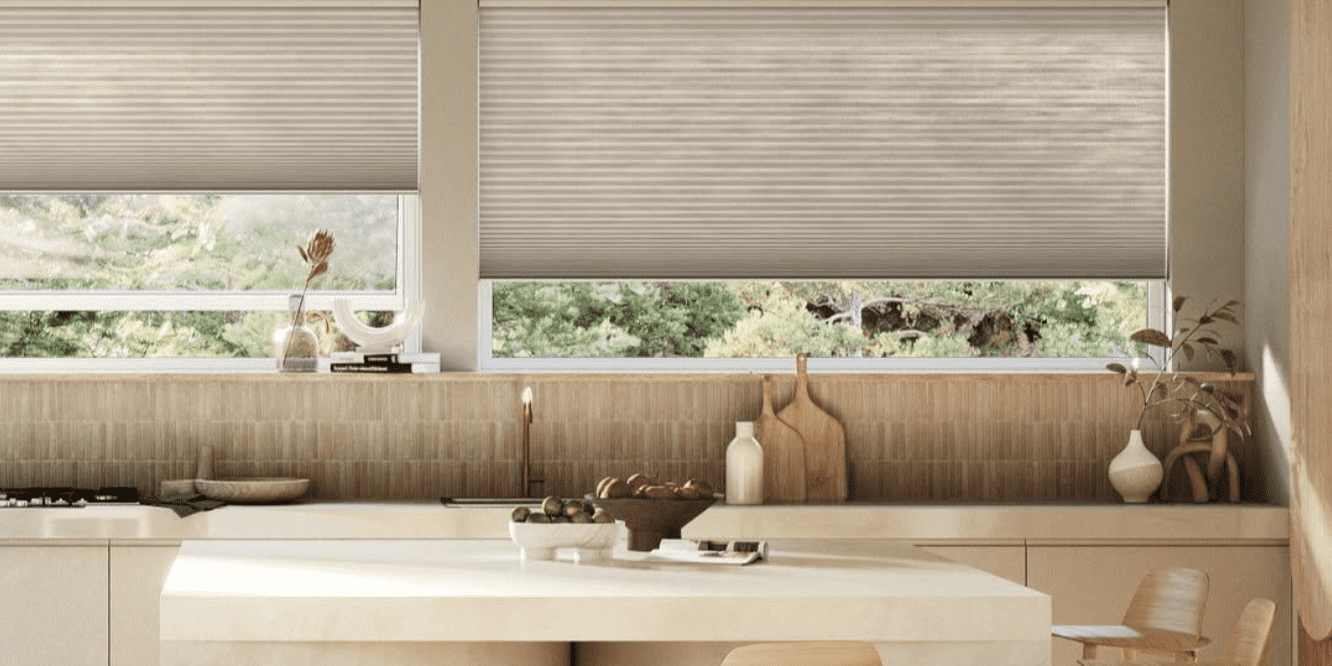
The best time to plan for motorized shades is during construction—especially for transom and clerestory windows.
Custom Window Treatments Make Complex Windows Feel Effortless
The most challenging windows often become the most beautiful parts of the home when approached thoughtfully. Whether you’re designing a custom chalet in the mountains, renovating a Denver bungalow, or building a modern new construction home, custom window treatments allow difficult windows to function beautifully while still honoring the architecture of the space.
Struggling with oversized windows, arches, sliding doors, recessed pockets, or other challenging windows? Windows Dressed Up serves Denver, the Front Range, and surrounding mountain communities. Schedule a consultation with our window treatment specialists today.