A conversation with co-owner Heather Madonia about what it’s like partnering with interior designers, how collaboration works best, and how custom window treatments can elevate a project when the right team is involved.
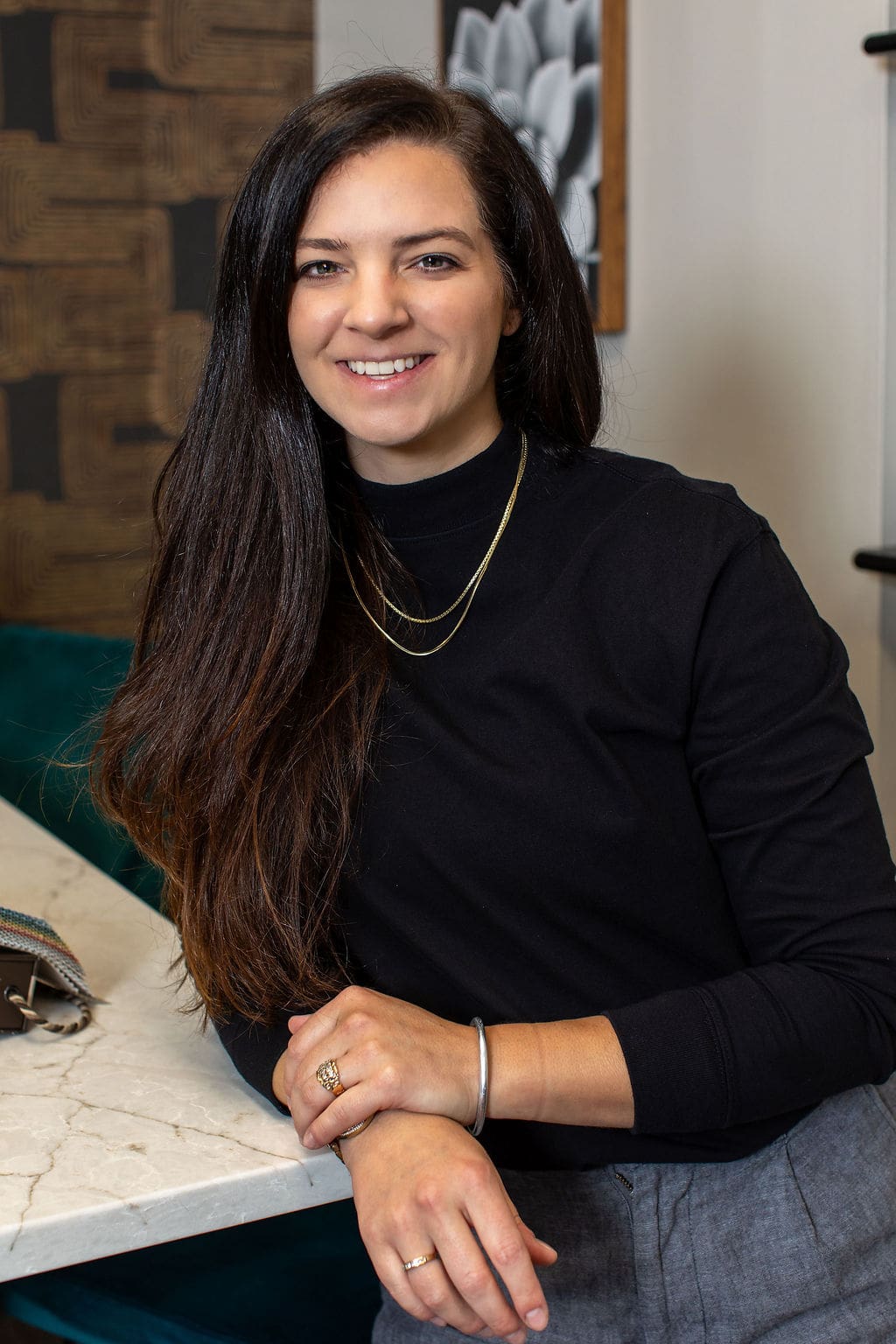
Heather Madonia, co-owner and principal window treatment specialist at Windows Dressed Up, works closely with interior designers throughout the Denver area to plan, fabricate, and install custom window treatments that support the overall design vision.
Interior designers manage countless moving parts in every project, from finishes and furnishings to timelines, trades, and client expectations. Window treatments often become the final design layer that ties everything together, but they also come with technical specifications that can quickly become complicated.
Q: What do you enjoy most about working with interior designers?
A: What I enjoy most is seeing the designer’s vision come to life.
Interior designers are looking at the whole picture. How does the architecture, the colors, textures, and furnishings all work together? Window treatments are often one of the final layers, but they make a huge difference in how a room ultimately feels.
When we collaborate well with a designer, the window treatments don’t feel like something that was added later. They feel like they were always meant to be part of the design.
Q: What makes the best designer partnerships work well?
A: Communication and trust are the biggest factors.
The best projects happen when designers bring us in early and we can talk through the technical side together. Designers know the look they want to achieve, and our role is to help ensure it works from a functionality and installation standpoint.
When everyone understands their role and respects each other’s expertise, the process runs very smoothly.
Q: How do you support a designer’s creative vision while managing the technical details?
A: Our job is to make the designer’s vision possible.
Designers come to us with ideas about fabrics, color palettes, and how the space should feel. We help translate that into window treatments that will actually perform well in the space.
That might mean advising on mounting height, fullness, hardware selection, or motorization systems. We’re always thinking about the technical details behind the scenes so the finished treatments look exactly the way the designer imagined.
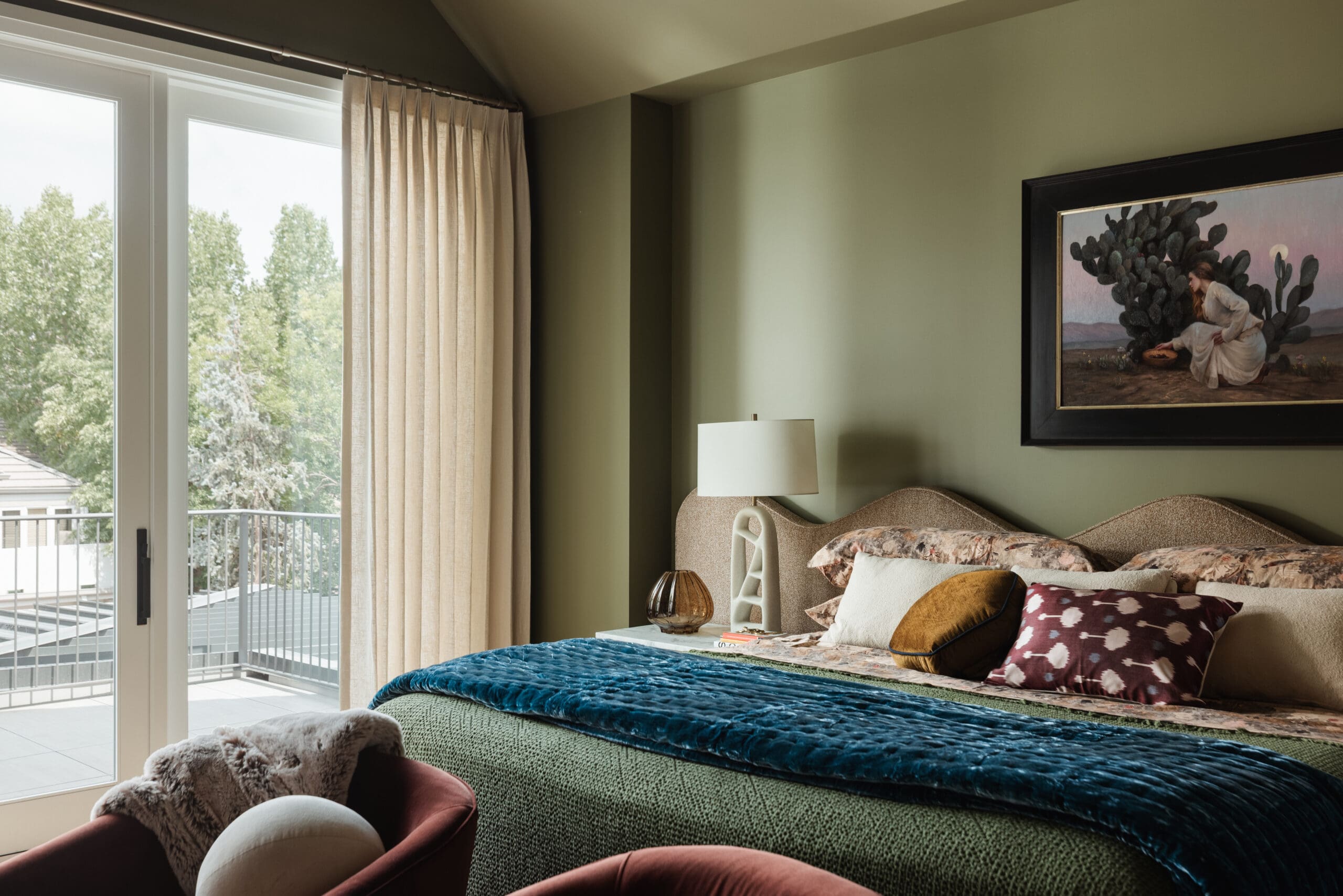
Automated drapery on a traverse rod, designed in collaboration with Atelier Denver for the Denver Life Magazine Designer Showhouse, demonstrating how thoughtfully planned window treatments add softness, scale, and a finished layer to a designer’s vision.
Q: What can interior designers expect when partnering with Windows Dressed Up?
A: Designers can expect a true collaboration.
We manage the entire window treatment process, from professional measuring and product specification to fabrication and installation. Our goal is to remove the technical complexity so designers can focus on the creative aspects of the project.
Through our Interior Designer Partnership Program, designers can also receive profit share on completed projects, creating an additional benefit for both the designer and their client.
Q: How do you make the process easier for designers on larger or multi-phase projects?
A: Organization and communication are essential.
Many custom homes involve multiple phases, construction timelines, and coordination between trades. We keep detailed records of specifications, measurements, and installation plans so we can stay aligned with the designer and builder throughout the project.
Because our team manages fabrication, logistics, and installation, designers don’t have to track those details themselves.
Q: Where do designers sometimes run into challenges with window treatments?
A: Timing is one of the biggest challenges.
Window treatments often need to be planned much earlier than people expect, especially if motorization or recessed pockets are involved. If those elements aren’t considered during construction, it can limit options later.
That’s why we always encourage designers to bring us into the project early so we can help anticipate those details.

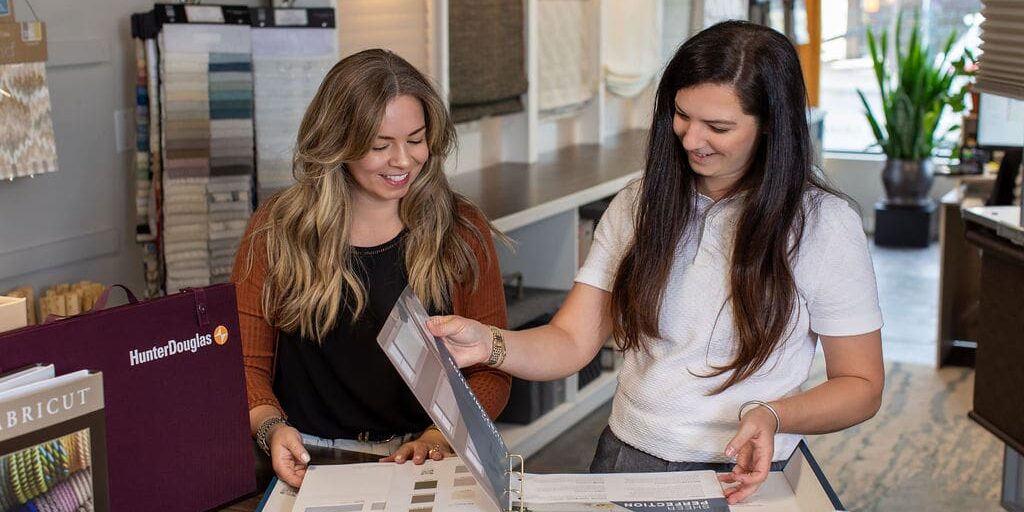
Interior designers can visit the Windows Dressed Up Denver design studio to review fabrics, explore window treatment systems, and collaborate with our team on specifications before a project moves into fabrication.
Q: What does it look like when a designer brings you into a project?
A: Typically it starts with a conversation about the scope of the project and the overall design direction.
Sometimes we review architectural plans, and sometimes we visit the home during construction. From there, we evaluate each window and recommend treatments based on the designer’s vision, the architecture of the space, and how the room will be used.
Once selections are finalized, we handle the measuring, fabrication, ordering, and installation so everything stays organized and on schedule.
Q: What surprises designers when they start working with you?
A: Motorization is often a big one.
Many designers know about motorized shades, but they don’t always realize how many different window treatments can now be automated—including drapery systems.
Once they see how seamlessly motorized treatments integrate with a home’s technology, it opens up a lot of new possibilities.
Q: What misconceptions do designers sometimes have about working with a window treatment partner?
A: Sometimes designers worry that bringing in a specialist means losing control of the design.
But that’s not how we approach it. Designers are always leading the creative direction. Our role is simply to support that vision by handling the technical details that ensure everything works properly.
Q: How does your in-house workroom benefit designers?
A: Our in-house workroom operates as a boutique fabrication studio solely for Windows Dressed Up, which is very different from a traditional wholesale workroom.
Wholesale workrooms typically fabricate products for multiple vendors and operate at a much larger scale. Our workroom, on the other hand, is part of our team and focused specifically on our projects.
That means we have much more flexibility, direct communication with our fabricators, and the ability to maintain a very high level of quality control. For designers, it creates a much more collaborative experience and allows us to produce truly custom solutions.
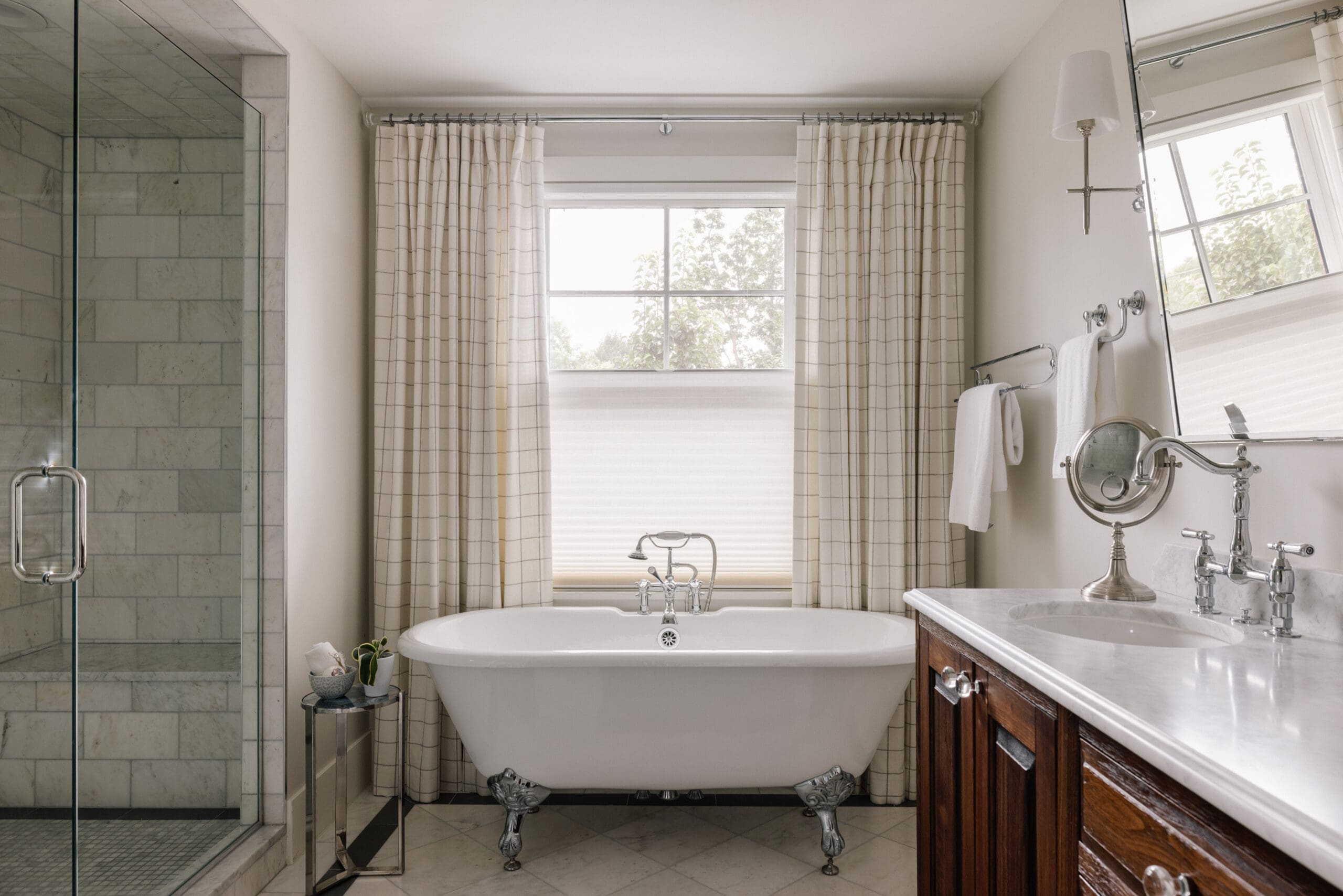
Layered window treatments combine soft drapery with a tailored shade to provide privacy, light control, and a finished architectural look—an approach many designers use to balance beauty and functionality.
Q: What window treatment trends are designers excited about right now?
A: Designers want solutions that feel beautiful but also practical for how their clients live.
We don’t really chase trends when it comes to window treatments. Our focus is staying at the forefront of innovation so we can offer designers the most current technology and solutions, while still supporting classic, timeless design.
Layering remains one of those timeless approaches. Designers are often combining shades with drapery to create softness in a room while still giving homeowners flexibility with light control and privacy.
Where we’re seeing the biggest evolution is in automation. Motorization has become something many homeowners expect, especially in homes with large windows or expansive natural light. When you pair thoughtful layering with smart technology, designers are able to deliver spaces that feel beautiful, functional, and aligned with how their clients actually live.
Q: How does motorization elevate a designer’s project?
A: Motorization adds both convenience and sophistication.
It allows homeowners to control light, privacy, and comfort throughout the day with the touch of a button or automatically through their smart home system.
For designers, it also solves practical challenges like hard-to-reach windows while maintaining a clean, uncluttered look.
Q: What advice would you give designers considering working with a window treatment partner?
A: Bring us into the project earlier than you think you need to. The earlier we’re involved, the more options we have to support the design and make sure everything works the way it should.
Designers, you don’t have to know every technical detail about window treatments. That’s where we come in. We’re here to be a resource you can lean on for the specifications, measurements, and problem-solving that happen behind the scenes, so you can stay focused on the creative vision for the space.
Q: How can interior designers get started?
A: Interior designers are always welcome to visit our Denver design studio, explore our fabric library, and see our window treatment systems in person.
You can also download our Interior Designer Toolkit to learn more about our process, partnership program, and the resources available to designers who work with Windows Dressed Up.